. Bash split string refers to slicing a string into several parts based on a specific symbol, character, or substring as a delimiter. Here, a delimiter is a specific character or sequence of characters used to separate a string. The steps to split a string in Bash are: Initialize a string variable with any sentence or text. You can also read text from any file or user input.

How to Split a string on the last occurrence of the delimiter in Python YouTube

SQL Oracle Split string comma delimited (string contains spaces and consecutive commas) YouTube
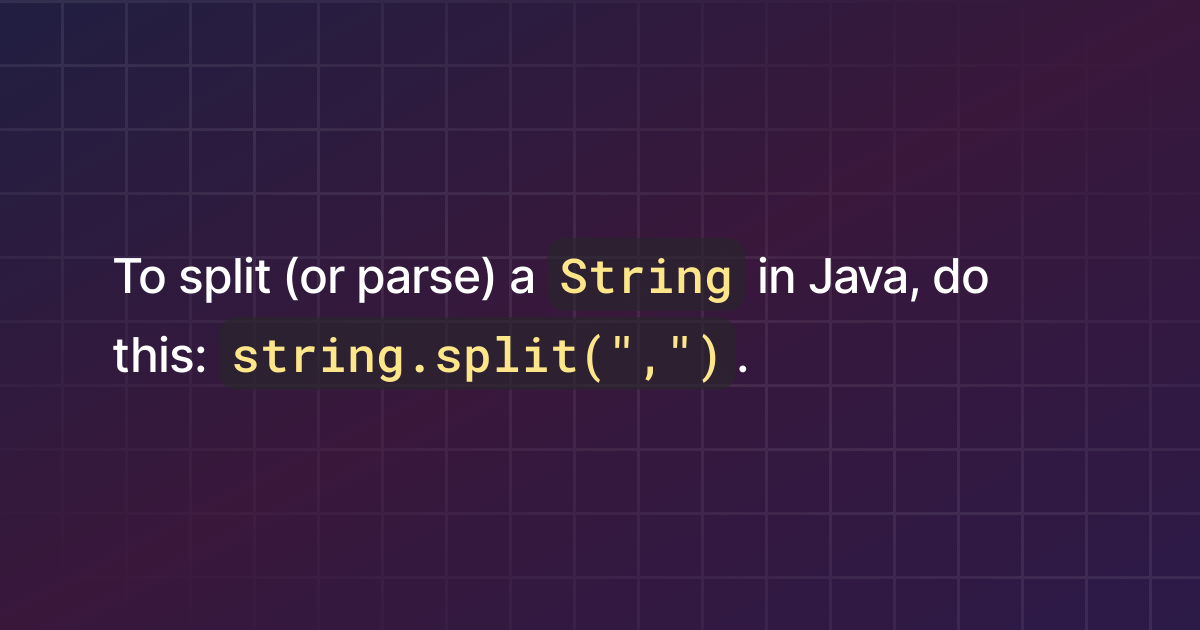
How to split a String in Java with delimiter?
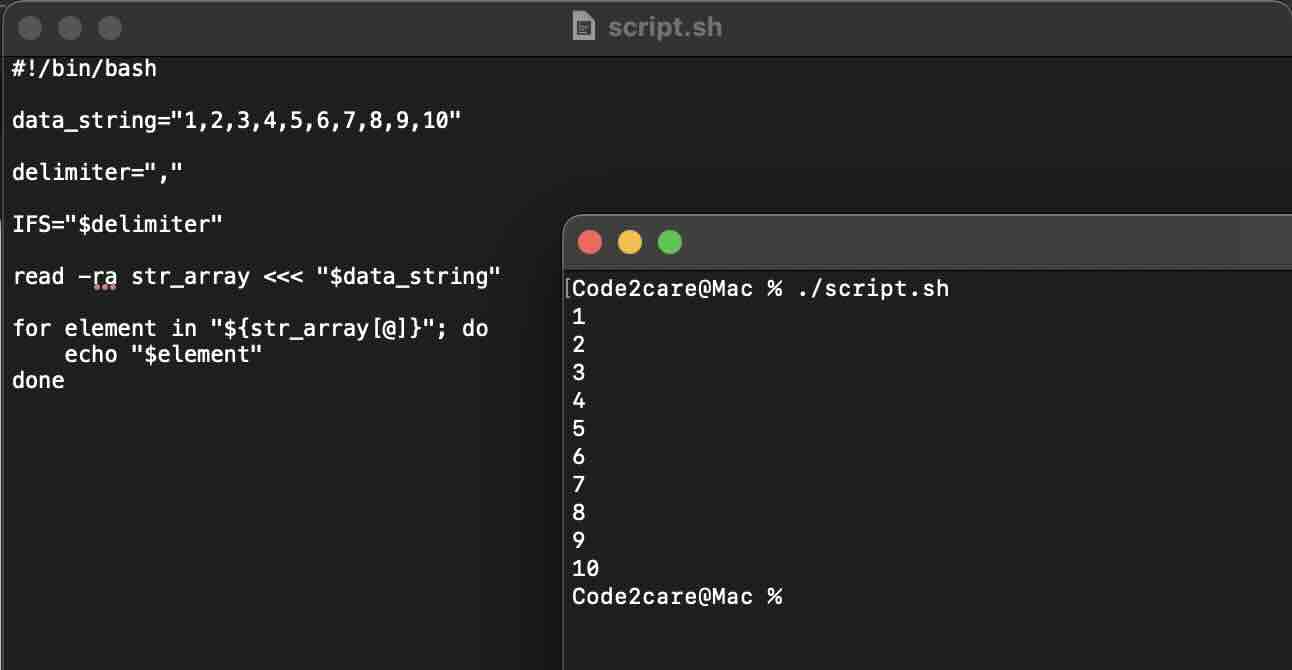
How to Split a String based on Delimiter in Bash Scripting Code2care

Unix & Linux Split string by delimiter and get Nth element (7 Solutions!!) YouTube
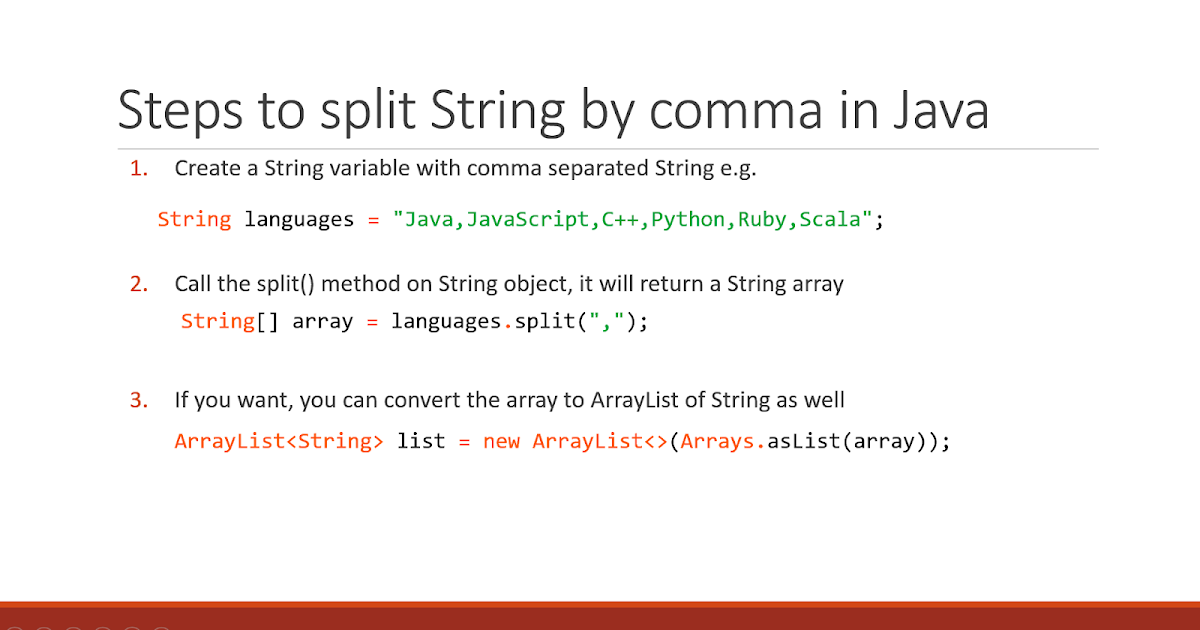
How to split String by comma in Java Example Tutorial Java67

StringTokenizer (Default Delimiter) How to split String into multiple tokens? YouTube

Linux/Unix Split String By Delimiter and get nth element YouTube
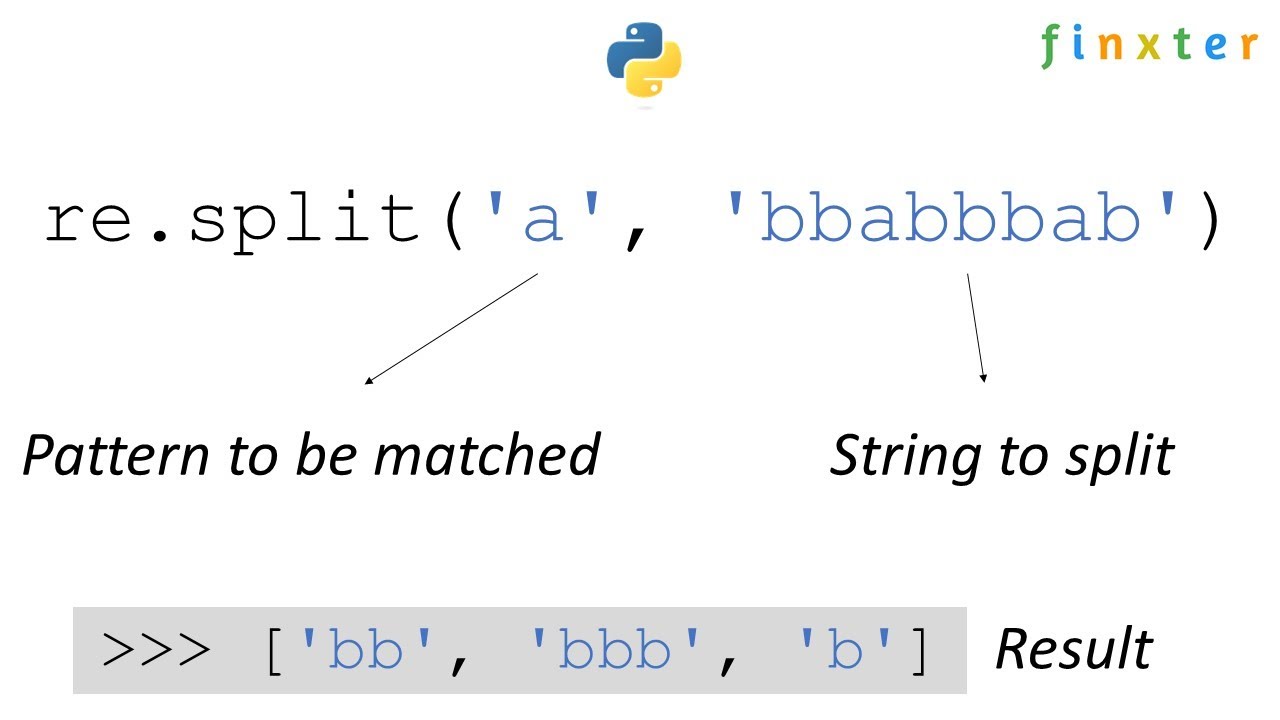
Regex Java Split String Consecutive Delimiters Stack

Bash split command explained with examples FOSS Linux

bash split string by delimiter and loop Archives Tuts Make

How to Split String in PHP using Delimiter explode() Function Tech Fry

STRING_SPLIT Splitting strings into multiple rows using SQL Server using a delimiter or
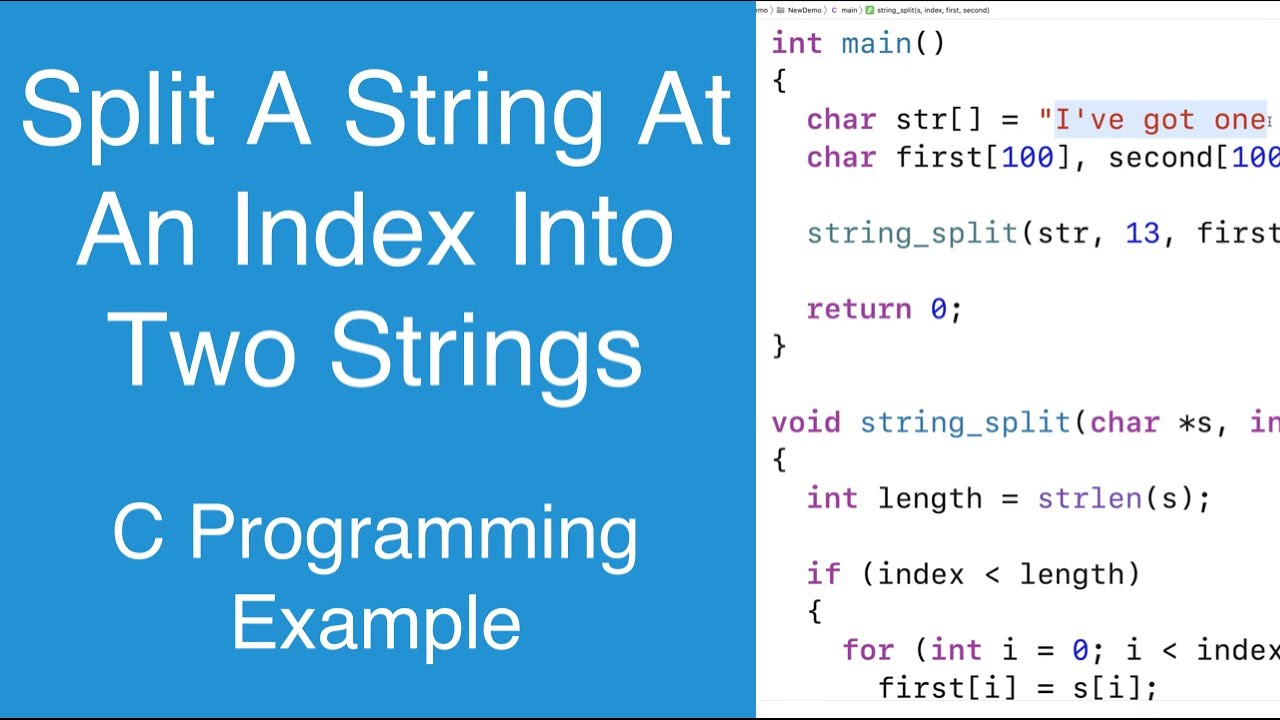
Split A String At An Index Into Two Strings C Programming Example YouTube

Bash Shell Archives Tuts Make
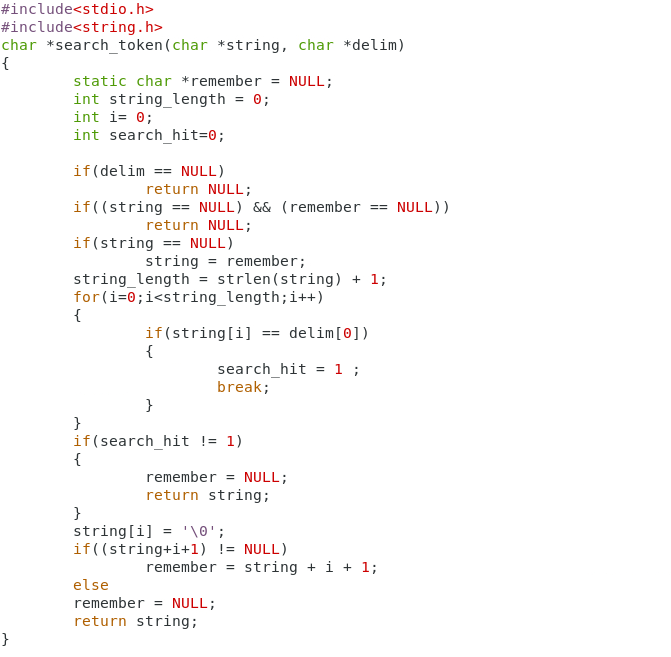
How to Split Strings Based on Delimiter in C

4 Ways to Split String by Delimiter in SQL TechCult

Bash/KSH Define Delimiter (IFS) While Using read Command nixCraft
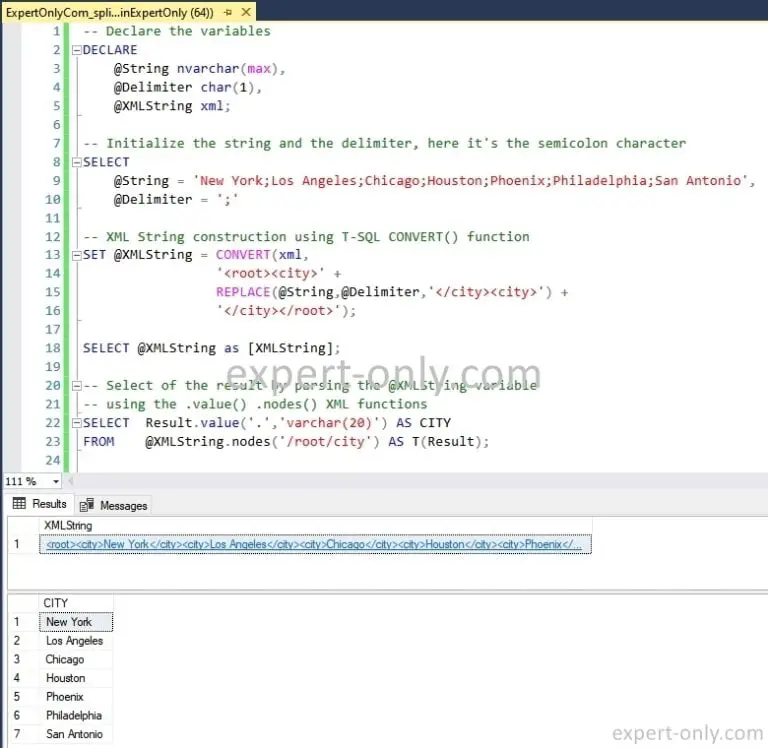
Split delimited string into one column in SQL Server TSQL
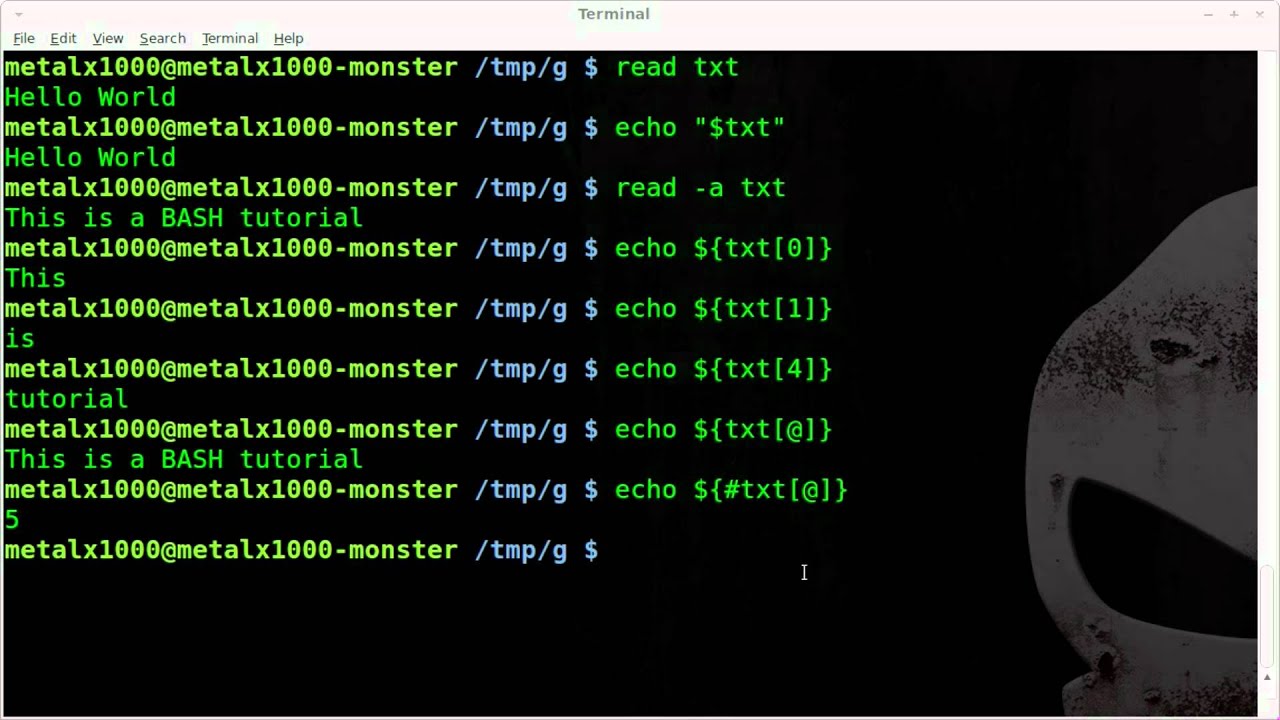
Linux Bash Split String Into Array? Trust The Answer
$0 variable: refer to the entire input string; split() function: split the string by the delimiter pattern /[,;]/, store the resulting segments in the array a and the number of segments in the variable n; for loop: iterate over the array a from the first element (i=1) to the last element (i<=n) and print each element. "Recommended"? See BashFAQ #100 for best-practice guidance on doing string manipulation in bash. You'll note that parameter expansion is generally considered the best-practice approach for short inputs (whereas the echo | sed approach, while terse, has a great deal of overhead in terms of how it's implemented under-the-hood -- requiring, typically, two forks, a mkfifo, an execv of an external.
